
Why Are Aerosol Sprays Bad? 7 Toxic Dangers + Safer Alternatives (2025)
Have you ever wondered why that lingering chemical smell from your deodorant makes you cough? The truth about aerosol spray toxicity might shock you.
Picture this: You’re getting ready for work, and you reach for your favorite aerosol deodorant. Within seconds of spraying, you notice that familiar chemical scent hanging in the air. Maybe you cough a little, or your eyes water slightly.
You’ve probably brushed it off as normal, but what if I told you that this seemingly innocent morning routine could be exposing you to the same harmful pollutants found in car exhaust?
As aerosol manufacturing experts with over two decades of experience at Signature Filling Company here in St. Louis, we’ve witnessed firsthand the evolution from harmful traditional aerosols to safer alternatives. We’ve formulated thousands of products, consulted with major brands nationwide, and seen the dramatic difference in product quality and safety when companies make the switch to modern technology.
Here’s a statistic that might surprise you: household aerosols now emit more harmful volatile organic compound (VOC) air pollution than all the vehicles in the UK combined. With over 25 billion aerosol cans used globally each year, we’re essentially spraying a chemical soup into our homes and environment daily.
But here’s the thing—it doesn’t have to be this way. Safer alternatives exist, and they work better than traditional aerosols in every measurable way.
Are Aerosol Sprays Toxic? (Quick Answer)
Yes, traditional aerosol sprays contain toxic chemicals including: • VOCs (formaldehyde, benzene, toluene) • Carcinogenic compounds linked to cancer • Neurotoxins and respiratory irritants • Flammable propellants that pose safety risks
These chemicals cause immediate health effects like headaches and respiratory irritation, plus long-term risks including liver damage and cancer. However, safer alternatives like bag-on-valve technology eliminate these toxic exposures entirely.
Why Aerosol Sprays Are Bad for Your Health: 5 Major Risks
The Toxic Chemical Cocktail You’re Breathing Daily
In our 20+ years of aerosol manufacturing, we’ve formulated thousands of products and seen ingredient lists that would make your head spin. Here’s what most consumers don’t realize: that convenient spray bottle in your bathroom contains a complex mixture of chemicals that were never meant to be inhaled regularly.
Traditional aerosols are loaded with Volatile Organic Compounds (VOCs), and these aren’t just harmless propellants. We’re talking about serious chemicals like:
- Formaldehyde – a known carcinogen that’s also used in embalming fluid
- Xylene – causes central nervous system depression and can lead to headaches, dizziness, and nausea
- Benzene – linked to myeloid leukemia and classified as a human carcinogen by the WHO
- Toluene – affects your central nervous system and can cause long-term neurological damage
- Acetone – the same chemical in nail polish remover, which can irritate your respiratory system
According to the EPA’s comprehensive guide on Volatile Organic Compounds, these chemicals can have both short- and long-term adverse health effects, with indoor levels often 2-5 times higher than outdoor concentrations.
Moreover, these chemicals don’t work in isolation. They create a toxic cocktail that your body struggles to process effectively.
Immediate Health Effects of Toxic Aerosol Exposure
We regularly receive calls from manufacturers concerned about consumer complaints related to their aerosol products. The symptoms people report are surprisingly consistent:
Short-term effects include:
- Eye, nose, and throat irritation that feels like you’ve walked into a cloud of chemicals
- Sudden headaches that appear within minutes of use
- Loss of coordination and feeling “fuzzy” or disoriented
- Nausea and feeling like you need fresh air immediately
- Respiratory irritation, especially problematic for asthma sufferers
Here’s what’s particularly concerning: These aren’t rare side effects—they’re common reactions that many people have learned to accept as “normal.”
However, they’re actually your body’s warning system telling you that something’s wrong.
Long-term Health Risks That Should Worry Everyone
The immediate effects are bad enough, but the long-term consequences of regular exposure to traditional aerosol sprays are even more alarming.
Laboratory studies on animals have shown that prolonged exposure to high levels of these VOCs can cause:
- Liver and kidney damage from processing these toxic chemicals over time
- Central nervous system effects that can impact cognitive function
- Cancer risks from exposure to benzene and other carcinogens
- Cardiovascular complications as propellants make their way into your bloodstream
A recent study found that participants who regularly used aerosol products had detectable traces of propellants in their blood and breath. Think about that for a moment—these chemicals are actually entering your bloodstream every time you use traditional aerosol sprays.
Vulnerable Populations Face Greater Risks
Children absorb chemicals more readily and their developing systems are more susceptible to damage. Additionally, elderly individuals may have compromised respiratory or cardiovascular systems. Pets are particularly vulnerable because they’re closer to the ground where heavier chemical particles settle.
Indoor Air Quality Degradation
Traditional aerosols significantly worsen indoor air quality. The EPA has acknowledged that aerosol air fresheners actually increase (rather than reduce) air pollution inside homes and buildings.
Furthermore, these chemicals don’t disappear after spraying—they settle on surfaces, transfer to your hands, and can quickly end up in your mouth.
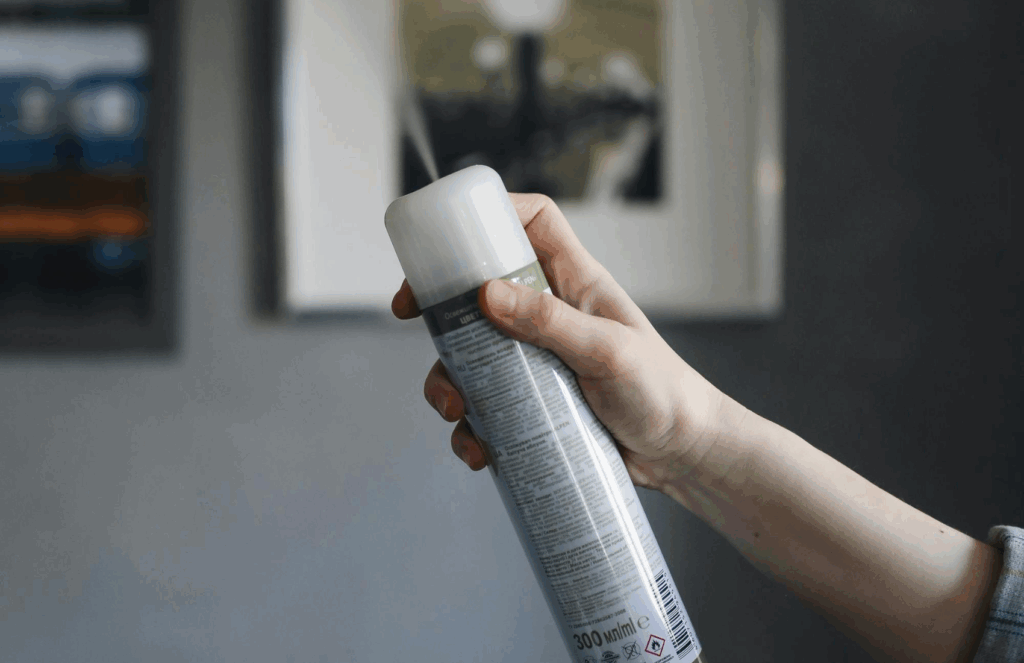
Environmental Impact: Why Aerosol Sprays Are Bad for Our Planet
The VOC Pollution Crisis Affecting Your Community
When we started in this business, environmental impact wasn’t the priority it is today. Now, we see manufacturers making the switch specifically because of growing environmental concerns—and the data is compelling.
Here’s the shocking reality: Aerosol products used in homes now emit more harmful VOC air pollution than all vehicles in the UK.
These VOCs don’t just disappear when you spray them. They:
- Combine with nitrogen oxides in the presence of sunlight to create photochemical smog
- Contribute to ground-level ozone formation, which damages crops and harms wildlife
- Create particulate matter that affects air quality both indoors and outdoors
- Travel beyond your home to impact your entire community’s air quality
Chemical Contamination of Natural Resources
Traditional aerosols contain chemicals that are toxic to soil, air, and water. When these products are disposed of improperly or when propellant leaks occur, they contribute to environmental pollution that can persist for years.
The environmental contamination includes:
- Groundwater pollution from improper disposal
- Soil contamination affecting plant growth
- Air quality degradation in urban areas
- Harm to aquatic ecosystems
A groundbreaking University of York study revealed that household aerosols now emit more harmful VOC air pollution than all vehicles in the UK, with global consumption potentially reaching 2.2 million tons of VOC pollution by 2050.
The Waste Problem No One Discusses
Traditional aerosols often run out of propellant before the product is finished. This means consumers throw away cans that still contain 10-30% of the original product, leading to:
- Chemical waste in landfills
- Contamination of soil and groundwater
- Wasted resources and manufacturing energy
Safety Hazards: Physical Dangers of Traditional Aerosols
Over the years, we’ve been contacted by manufacturers dealing with product liability issues related to traditional aerosol safety failures. These aren’t theoretical risks—they’re real incidents that happen more frequently than most people realize.
Fire and Explosion Risks in Your Home
Flammable propellants create serious hazards:
- Kitchen accidents: Aerosol cooking sprays near open flames have caused flash fires
- Workshop incidents: Spray paints and lubricants can ignite from static electricity or heat sources
- Storage problems: Aerosols left in hot cars or near heat sources can explode from pressure buildup
One manufacturer we work with switched to our bag-on-valve technology specifically after a customer’s traditional aerosol product exploded in their garage during a heat wave.
Workplace Safety Concerns
NIOSH research shows that aerosol exposure in workplace settings presents significant occupational health hazards. Professional users face amplified risks from:
- Concentrated exposure in poorly ventilated spaces
- Multiple product use leading to chemical interactions
- Long-term occupational exposure increasing cumulative health risks
The Safer Alternative: How Modern Technology Solves These Problems
At Signature Filling Company, we specialize in bag-on-valve (BOV) technology precisely because it addresses every single concern we’ve discussed. After filling millions of BOV units and working with companies across multiple industries, I can confidently say this technology represents the future of safe, effective product delivery.
What Makes Bag-on-Valve Technology Different
Complete separation: The product is contained in an FDA-approved, laminated aluminum bag that’s completely sealed from the propellant. This isn’t just a better design—it’s a completely different approach that eliminates most traditional aerosol problems.
Safe propellants: Instead of flammable hydrocarbons or chemical propellants, BOV technology uses compressed air or nitrogen. These are the same gases you breathe every day—completely non-toxic and environmentally neutral.
Pressure delivery system: When you press the actuator, the compressed air outside the bag squeezes the product out through the valve. The product never mixes with the propellant, ensuring pure delivery every time.
Health and Safety Benefits You’ll Notice Immediately
Since switching our clients to BOV technology, we’ve seen zero safety incidents related to product formulation or propellant issues:
Pure product delivery: Because the product never contacts the propellant, you get exactly what was formulated—no chemical contamination, no unwanted reactions.
Non-flammable operation: With air or nitrogen as propellants, there’s no fire or explosion risk.
Sterile, hygienic packaging: The sealed bag system prevents contamination during storage and use.
Environmental Advantages That Make a Real Difference
99.5% product evacuation: Unlike traditional aerosols that waste 10-30% of the product, BOV technology dispenses virtually everything.
Environmentally friendly propellants: Air and nitrogen have zero environmental impact. No VOCs, no ozone depletion potential, no contribution to smog formation.
Recyclable components: BOV cans are 100% recyclable because they don’t contain hazardous propellant residues.
Industries Making the Switch to Safer Alternatives
We work with companies across multiple industries who have made the switch to BOV technology. The results consistently demonstrate why this technology is becoming the new standard.
Personal Care Products Leading the Change
Major brands are switching to BOV because consumers increasingly demand safer options:
- Deodorants and antiperspirants with gentler formulations
- Facial mists and skincare with sterile delivery systems
- Self-tanners and sunscreens with even application
- Shaving gels with superior foam quality
Food and Beverage Industry Embracing Safety
Cooking oils and baking sprays: Non-flammable operation is crucial in kitchen environments.
Wine preservation: BOV technology allows opened wine bottles to maintain freshness.
Healthcare Applications
The medical field particularly values BOV technology because of sterile delivery, oxygen sensitivity protection, and precise dosing capabilities.
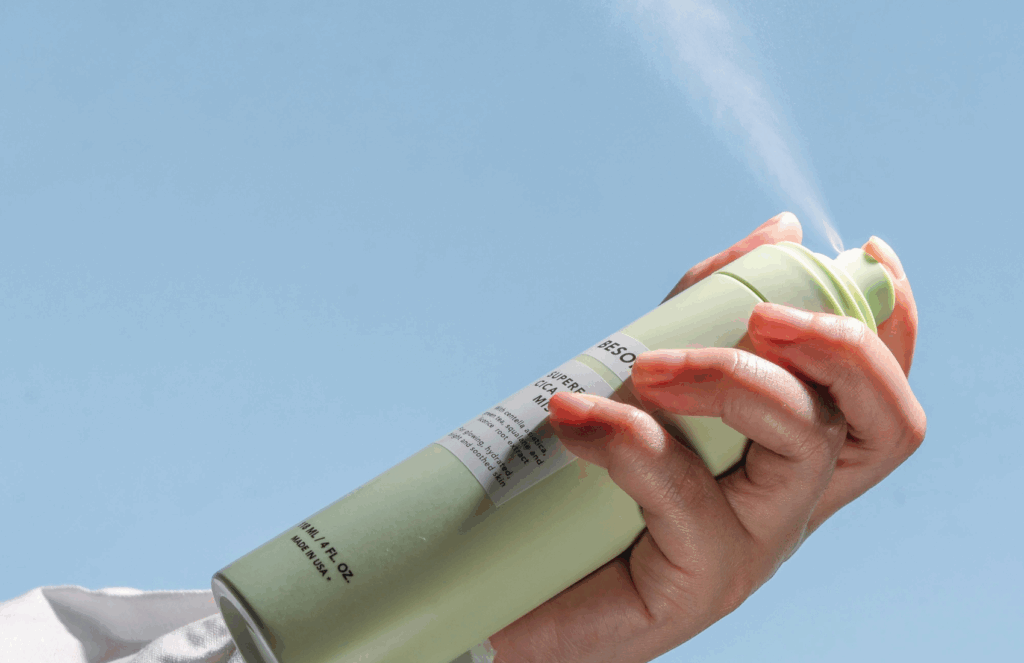
Safe Alternatives to Aerosol Sprays: What You Can Use Today
For Consumers: Simple Switches That Protect Your Health
Look for non-aerosol alternatives first:
- Roll-on deodorants instead of spray versions
- Pump sprays for cleaning products
- Solid products (bars, sticks) when possible
- Trigger sprays for household cleaners
When you need aerosol functionality:
- Choose products specifically labeled as using bag-on-valve technology
- Look for “non-flammable” or “eco-friendly propellant” labels
- Avoid products with long lists of chemical propellants
For Businesses: Getting Ahead of Regulatory Changes
Consider BOV technology for your product lines: The conversion often pays for itself through reduced product waste and improved customer satisfaction.
Stay ahead of regulations: VOC regulations are tightening. California has already implemented new restrictions, and other states are following suit.
Learn more about our aerosol filling services and how we help companies transition to safer alternatives.
Frequently Asked Questions About Aerosol Safety
Why are aerosol sprays bad for the environment?
Aerosol sprays release VOCs that contribute to air pollution, ground-level ozone formation, and smog. They also create chemical waste and contaminate soil and water through improper disposal.
What makes aerosol sprays toxic to humans?
Traditional aerosols contain VOCs like formaldehyde, benzene, and toluene—chemicals that cause respiratory irritation, headaches, and long-term health risks including cancer and organ damage.
Are there safe alternatives to aerosol sprays?
Yes, bag-on-valve technology eliminates toxic propellants by using air or nitrogen instead of chemicals. Non-aerosol alternatives like roll-ons, pumps, and solid products are also safer options.
How can I tell if an aerosol product is safer?
Look for products labeled as “bag-on-valve,” “non-flammable,” or “eco-friendly propellant.” Avoid products listing chemical propellants like butane, propane, or dimethyl ether.
What health effects do aerosol sprays cause?
Short-term effects include eye irritation, headaches, and respiratory problems. Long-term exposure can cause liver damage, nervous system effects, and increased cancer risk.
The Future of Safer Product Delivery
Based on our experience and current industry trends, the aerosol industry is undergoing a fundamental transformation:
Regulatory pressure is increasing: States like California are implementing stricter VOC limits. Companies that switch to BOV technology now will be ahead of mandatory changes.
Consumer awareness is growing: More people are questioning why aerosol sprays are bad for their health and the environment.
Technology is improving: BOV technology continues to evolve, with new applications and improved performance characteristics being developed regularly.
The compound annual growth rate (CAGR) for BOV technology is estimated at 4.4% through 2024, indicating strong market adoption.
Making the Right Choice for Your Health and Environment
As aerosol manufacturing experts, we’ve seen the industry evolution firsthand. The choice between traditional aerosols and safer alternatives is becoming increasingly clear.
The evidence is overwhelming:
- Traditional aerosols pose real, documented health risks from toxic chemical exposure
- Environmental damage from VOC emissions continues to worsen
- Safety hazards from flammable propellants create unnecessary risks
- Safer alternatives exist that perform better while eliminating these problems
The solutions are available now:
- Bag-on-valve technology addresses every major concern with traditional aerosols
- Non-aerosol alternatives work well for many applications
- Consumer demand is driving rapid adoption of better solutions
At Signature Filling Company, we’re committed to helping businesses transition to safer, more sustainable aerosol solutions. Our bag-on-valve technology represents the future of responsible product packaging.
For consumers: Start reading labels, choosing safer alternatives, and demanding better products from manufacturers.
For businesses: The time to transition is now, while you can use it as a competitive advantage rather than scrambling to meet regulatory requirements.
The hidden dangers of traditional aerosol sprays are real, but they’re completely avoidable. The technology exists to deliver better products more safely. All that’s needed is the decision to use it.
Ready to learn more about safer aerosol alternatives? Contact Signature Filling Company to discover how bag-on-valve technology can improve your products while protecting your customers and the environment. Our team of experts is ready to help you make the transition to safer, more effective product delivery.
