Bag on Valve Technology Guide: Advanced Aerosol Manufacturing
The Revolutionary Impact of Bag on Valve Technology: Transforming Aerosol Packaging for Modern Manufacturing
When a leading pharmaceutical company discovered that 15% of their topical medication batches were failing quality control tests due to contamination from traditional aerosol propellants, they faced a crisis that threatened both regulatory compliance and patient safety. Their solution? A complete transition to bag on valve technology that not only eliminated contamination issues but also improved product efficacy, extended shelf life, and reduced manufacturing costs by 23%.
This transformation illustrates why bag on valve technology has become the preferred choice for manufacturers across industries who demand superior product quality, enhanced safety, and operational efficiency. Unlike traditional aerosol systems where the product comes into direct contact with propellants and metal containers, this innovative technology completely separates the product from the dispensing mechanism, creating a sealed environment that preserves product integrity from fill to final use.
The implications extend far beyond simple contamination prevention. Manufacturers implementing bag on valve technology report significant improvements in product consistency, reduced waste, enhanced user experience, and stronger regulatory compliance. Whether you’re producing pharmaceutical preparations, personal care products, food items, or industrial formulations, understanding how this technology can transform your operations is crucial for staying competitive in today’s quality-focused marketplace.
This comprehensive guide will explore how bag on valve technology works, why it’s revolutionizing manufacturing across multiple industries, and how you can evaluate whether this innovation is right for your products. You’ll discover the technical advantages, cost considerations, and implementation strategies that can help your business achieve superior results while meeting the most demanding quality and safety requirements.
The shift toward bag on valve technology isn’t just a trend—it’s a fundamental evolution in packaging that’s reshaping how manufacturers approach product development, quality control, and customer satisfaction.
Understanding Bag on Valve Technology: A Manufacturing Game-Changer
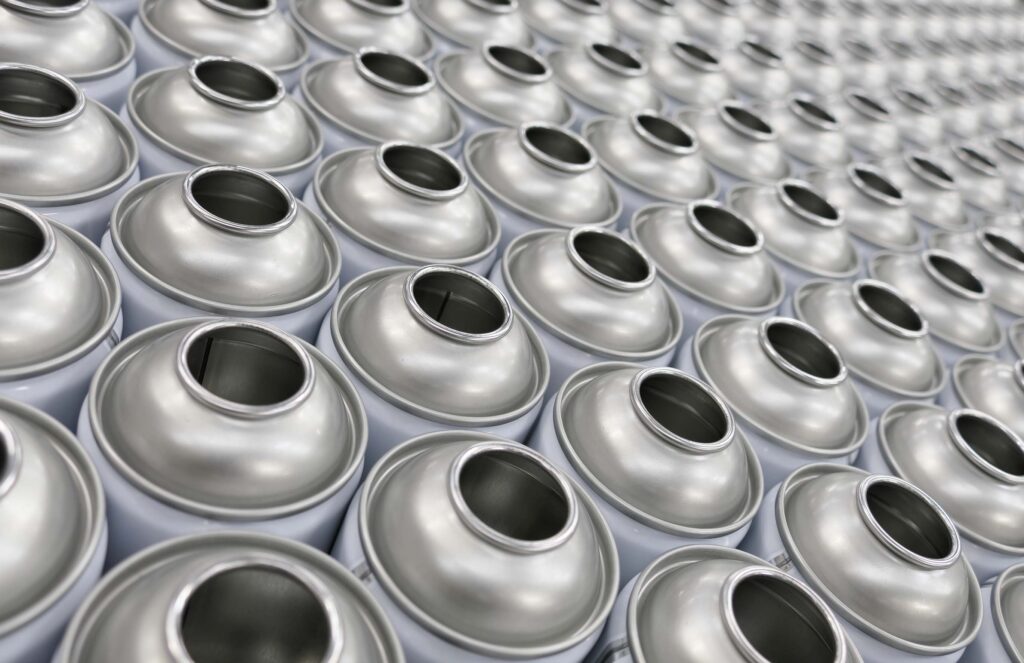
Bag on valve technology represents a paradigm shift in aerosol packaging that addresses fundamental limitations of traditional systems. At its core, this technology utilizes a specially designed aluminum bag that sits inside a standard aerosol can, creating a complete barrier between the product and the propellant gas that drives dispensing.
The system works through elegant simplicity: the product is filled into the aluminum bag, which is then sealed and connected to a specialized valve system. Compressed air or nitrogen is introduced into the space between the bag and the can, creating pressure that forces the product through the valve when activated. This design ensures that the product never comes into contact with the propellant, metal container, or valve components.
This separation delivers immediate benefits that traditional aerosol systems cannot match. Product purity is maintained throughout the entire product lifecycle, eliminating concerns about chemical interactions, metallic taste transfer, or contamination from propellant gases. The technology enables 360-degree dispensing capability, allowing products to be dispensed from any angle, including upside down, which is impossible with traditional aerosol systems.
The precision offered by bag on valve technology transforms the user experience. Unlike traditional systems that can deliver inconsistent amounts or experience pressure drop-off as the container empties, this technology maintains consistent pressure and delivery throughout the product’s life. The result is predictable, controlled dispensing that meets exact specifications every time.
Environmental advantages make bag on valve technology particularly attractive for forward-thinking manufacturers. The system typically uses compressed air or nitrogen as propellants rather than volatile organic compounds (VOCs), significantly reducing environmental impact. Additionally, the technology enables nearly complete product evacuation—often 99% or higher—compared to 85-90% evacuation rates typical with traditional aerosol systems.
From a manufacturing perspective, the technology offers unprecedented flexibility in product formulation. Because there’s no interaction between the product and propellant, manufacturers can use formulations that would be impossible or problematic in traditional aerosol systems. This includes water-based formulations, products sensitive to metal contact, and formulations requiring specific pH levels or chemical stability.
The quality control implications are substantial. With bag on valve technology, manufacturers can eliminate variables related to propellant interaction, metal corrosion, and pressure inconsistencies that often complicate quality assurance in traditional aerosol production. This consistency translates to more predictable manufacturing processes, reduced batch failures, and enhanced product reliability.
Key Advantages of Bag on Valve Technology for Manufacturing
The transition to bag on valve technology delivers measurable advantages that impact every aspect of manufacturing operations, from initial product development through final customer satisfaction. Understanding these benefits helps manufacturers evaluate the technology’s potential impact on their specific operations and product lines.
Product integrity represents the most significant advantage for quality-focused manufacturers. The complete separation between product and propellant eliminates chemical interactions that can alter product formulations, degrade active ingredients, or introduce unwanted flavors or odors. This protection is particularly crucial for pharmaceutical products where chemical stability directly impacts efficacy and safety.
The technology extends product shelf life substantially compared to traditional aerosol systems. Without exposure to metal surfaces, propellant gases, or valve components that can catalyze degradation reactions, products maintain their original formulation integrity for extended periods. Some manufacturers report shelf life improvements of 50-100% compared to traditional aerosol packaging.
Contamination prevention goes beyond chemical interactions to include microbial protection. The sealed bag environment creates an additional barrier against environmental contaminants, making the technology particularly valuable for sterile products, food applications, and sensitive formulations that require pristine conditions.
Precision dispensing capabilities enable manufacturers to meet exact dosing requirements that are critical in pharmaceutical, food, and industrial applications. The consistent pressure maintenance throughout the product lifecycle ensures that the first spray delivers the same volume and pattern as the last spray, enabling accurate dosing and reducing waste from over-application.
The 360-degree dispensing capability opens new application possibilities that were previously impossible with traditional aerosol technology. Products can be applied in confined spaces, overhead applications, or situations where the container cannot be held upright. This versatility expands market opportunities and improves user satisfaction across multiple industries.
Environmental benefits align with increasingly stringent sustainability requirements and corporate responsibility goals. The elimination of VOC propellants reduces environmental impact while supporting compliance with environmental regulations. Additionally, the improved product evacuation rates mean less product waste and more efficient resource utilization.
Cost optimization occurs through multiple mechanisms that compound over time. Reduced product waste from improved evacuation rates directly impacts material costs. Lower return rates from quality issues improve profitability and customer satisfaction. Enhanced production efficiency from more consistent processes reduces operational costs and improves throughput.
The technology also enables premium positioning in competitive markets. Products utilizing bag on valve technology can command higher prices due to superior performance characteristics, environmental benefits, and enhanced user experience. This premium positioning often more than offsets the incremental costs associated with the technology implementation.
Regulatory compliance advantages are particularly valuable in highly regulated industries. The improved product stability, contamination prevention, and precise dosing capabilities help manufacturers meet stringent regulatory requirements more easily while reducing the risk of compliance failures that can result in costly recalls or regulatory sanctions.

Applications and Industries Benefiting from Bag on Valve Technology
The versatility of bag on valve technology has led to adoption across diverse industries, each leveraging specific advantages that address their unique manufacturing and performance requirements. Understanding these applications demonstrates the technology’s broad potential and helps manufacturers identify opportunities for implementation.
Pharmaceutical and healthcare applications represent one of the most demanding environments for bag on valve technology, where product purity and precise dosing are critical for patient safety and therapeutic efficacy. Topical medications, nasal sprays, and wound care products benefit tremendously from the contamination-free environment and consistent delivery characteristics.
Sterile product delivery requirements in healthcare are naturally aligned with bag on valve technology’s design. The sealed bag environment provides an additional contamination barrier that helps maintain sterility throughout the product lifecycle. This is particularly important for wound care products, pharmaceutical preparations, and medical device applications where contamination could compromise patient outcomes.
The technology enables pharmaceutical manufacturers to develop water-based formulations that would be challenging or impossible with traditional aerosol systems. This capability is particularly valuable for products requiring specific pH levels, containing sensitive active ingredients, or needing to avoid certain propellant interactions that could affect bioavailability or stability.
Personal care and cosmetics industries have embraced bag on valve technology for premium product lines where quality and user experience are paramount. Skincare products, hair care formulations, and cosmetic applications benefit from the purity maintenance and 360-degree dispensing capabilities that enhance both product performance and user convenience.
Product purity maintenance in cosmetics is crucial for preventing skin irritation, maintaining active ingredient efficacy, and ensuring consistent product performance. The technology’s ability to prevent metal ion contamination is particularly important for products containing sensitive ingredients like vitamins, peptides, or botanical extracts that can degrade when exposed to metal surfaces.
The premium user experience enabled by consistent dispensing pressure and complete product evacuation aligns with consumer expectations for high-end personal care products. Users appreciate the ability to use products from any angle and the consistent performance throughout the product’s life.
Food and beverage applications leverage bag on valve technology’s food safety advantages and extended freshness capabilities. Cooking oils, dairy products, beverages, and specialty food items benefit from the contamination prevention and shelf life extension that the technology provides.
Food safety compliance is significantly enhanced through the elimination of direct contact between food products and metal surfaces or propellant gases. This separation helps manufacturers meet stringent food safety regulations while reducing the risk of off-flavors or contamination that could compromise product quality.
The technology’s ability to maintain product freshness throughout the container’s life is particularly valuable for perishable or sensitive food items. Extended freshness not only improves consumer satisfaction but also reduces product waste and returns, improving overall profitability.
Industrial and specialty applications take advantage of the technology’s precision dispensing and chemical compatibility characteristics. Lubricants, adhesives, specialty chemicals, and technical formulations benefit from the controlled delivery and product protection that bag on valve technology provides.
Performance-critical applications in industrial settings require consistent product delivery and reliable performance under demanding conditions. The technology’s ability to maintain consistent pressure and deliver precise amounts is crucial for applications where over-application wastes material and under-application compromises performance.
Technical Specifications and Manufacturing Considerations
Implementing bag on valve technology requires understanding the technical specifications and manufacturing considerations that ensure successful integration with existing production processes. These factors directly impact product performance, production efficiency, and overall implementation success.
System components are specifically engineered to work together seamlessly while maintaining the isolation that makes bag on valve technology effective. The aluminum bag is the heart of the system, manufactured from specialized multi-layer materials that provide excellent barrier properties while maintaining flexibility and durability throughout the product lifecycle.
Bag materials are selected based on product compatibility, required barrier properties, and regulatory requirements. Food-grade options are available for edible products, while pharmaceutical-grade materials meet stringent purity requirements for medical applications. The material selection process considers factors like chemical compatibility, permeability requirements, and temperature stability.
Valve mechanisms vary depending on application requirements and desired dispensing characteristics. Standard actuators provide basic on/off functionality, while specialized valves offer variable flow rates, foam dispensing, or ultra-precise dosing capabilities. The valve selection directly impacts user experience and product performance.
Propellant selection typically involves compressed air or nitrogen, eliminating the environmental and safety concerns associated with traditional chemical propellants. The choice between compressed air and nitrogen depends on product sensitivity, required pressure levels, and regulatory considerations specific to the application.
Fill line integration represents a critical success factor that requires careful planning and coordination. Most existing aerosol filling equipment can be adapted for bag on valve technology with appropriate modifications, though specific requirements vary based on product characteristics and production volumes.
Equipment requirements include specialized bag insertion mechanisms, modified filling heads for bag filling, pressure testing capabilities for quality assurance, and crimping equipment designed for bag on valve systems. The investment in equipment modifications is typically offset by improved product quality and reduced waste.
Production line modifications focus on maintaining the sterile environment that makes bag on valve technology effective. This includes enhanced cleaning procedures, environmental monitoring, and quality control checkpoints designed to verify bag integrity and proper sealing.
Quality control checkpoints are more comprehensive than traditional aerosol production due to the additional components and assembly steps involved. Testing protocols include bag integrity verification, valve functionality testing, pressure consistency monitoring, and complete evacuation testing to ensure optimal performance.
Regulatory compliance varies by industry and application but generally benefits from the technology’s inherent advantages in product protection and contamination prevention. Food applications must meet FDA requirements, pharmaceutical products require compliance with drug manufacturing regulations, and cosmetic applications follow cosmetic safety guidelines.
Documentation requirements are more extensive than traditional aerosol production due to the specialized components and assembly processes involved. This includes material certifications, process validation records, and comprehensive quality assurance documentation that demonstrates compliance with applicable regulations.

Choosing the Right Partner for Bag on Valve Technology Implementation
Success with bag on valve technology depends heavily on selecting a manufacturing partner with the expertise, equipment, and commitment necessary to deliver superior results. The complexity of the technology and the precision required for optimal performance make partner selection a critical decision that impacts both immediate implementation success and long-term product performance.
Technical expertise represents the foundation of successful bag on valve technology implementation. Look for partners with demonstrated experience in the technology, comprehensive understanding of product compatibility requirements, proven track record of successful implementations across relevant industries, and ongoing investment in technology advancement and capability development.
The manufacturing partner should have deep knowledge of bag materials and their compatibility with different product formulations. This expertise is crucial for avoiding chemical interactions, ensuring optimal barrier properties, and selecting materials that meet regulatory requirements for your specific application.
Equipment capabilities and capacity must align with your production requirements and quality expectations. Evaluate potential partners based on their filling equipment specifications and maintenance protocols, quality control systems and testing capabilities, production capacity and scalability options, and ability to handle multiple product types and batch sizes efficiently.
State-of-the-art filling equipment is essential for consistent product quality and efficient production. The equipment should be capable of maintaining sterile conditions, precisely controlling fill volumes, and ensuring proper bag sealing and valve attachment. Regular maintenance and calibration programs are critical for sustained performance.
Quality assurance systems should exceed industry standards and include comprehensive testing at multiple stages of production. This includes incoming material inspection, in-process quality control, finished product testing, and batch documentation that ensures full traceability throughout the manufacturing process.
Project planning and consultation capabilities help ensure smooth implementation and optimal results. Your manufacturing partner should offer comprehensive project assessment and planning services, formulation compatibility testing and optimization, regulatory guidance and support, and timeline development and project management throughout implementation.
The consultation process should include thorough evaluation of your product formulations, packaging requirements, regulatory obligations, and performance expectations. This assessment helps identify potential issues early and ensures that the final implementation meets all requirements while optimizing performance and cost effectiveness.
Training and technical support services are crucial for successful long-term implementation. Your partner should provide comprehensive training for your team, ongoing technical support and troubleshooting assistance, regular performance monitoring and optimization recommendations, and access to technical expertise as your needs evolve.
Communication and collaboration throughout the implementation process ensure that all requirements are understood and met. Look for partners who maintain open communication channels, provide regular progress updates and milestone reports, respond quickly to questions and concerns, and demonstrate commitment to your success beyond the initial implementation.
Cost-Benefit Analysis and ROI Considerations
Understanding the financial implications of implementing bag on valve technology requires comprehensive analysis of both costs and benefits over the complete product lifecycle. While initial investment requirements may exceed traditional aerosol systems, the total cost of ownership often favors bag on valve technology due to quality improvements, waste reduction, and operational efficiencies.
Investment requirements include initial setup costs for equipment modifications or new equipment purchases, training expenses for production and quality control staff, material cost differences between traditional and bag on valve components, and implementation support services from qualified partners.
Equipment modifications typically represent the largest initial investment, though many existing aerosol filling lines can be adapted rather than completely replaced. The modification costs vary based on current equipment condition, desired production capacity, and specific product requirements. Most manufacturers find that equipment investments pay for themselves through improved efficiency and reduced waste within 12-24 months.
Material costs per unit are generally higher for bag on valve systems compared to traditional aerosol packaging due to the specialized bags and valve components. However, these incremental costs are often offset by reduced product waste, lower return rates, and the ability to command premium pricing for superior product performance.
Training expenses ensure that production staff understand the specialized procedures required for optimal bag on valve technology performance. Comprehensive training programs reduce the learning curve and help achieve optimal quality and efficiency more quickly, making the training investment highly cost-effective.
Quantifiable benefits provide measurable returns that often exceed the initial investment requirements. Reduced product waste from improved evacuation rates directly impacts material costs and can generate savings of 10-15% or more depending on product value and traditional evacuation efficiency.
Improved production efficiency results from more consistent processes, reduced quality control failures, and decreased downtime from product-related issues. These efficiency improvements translate to higher throughput, lower labor costs per unit, and improved overall equipment effectiveness.
Enhanced product quality metrics lead to reduced return rates, improved customer satisfaction, and stronger brand reputation. Quality improvements often enable premium pricing that more than compensates for incremental production costs while strengthening competitive position.
Long-term value creation extends beyond immediate cost savings to include market differentiation opportunities and competitive advantages. Products utilizing bag on valve technology often command premium pricing due to superior performance characteristics and environmental benefits.
The technology enables entry into market segments that demand superior product quality or performance characteristics that are difficult or impossible to achieve with traditional aerosol systems. This market expansion can generate significant revenue growth that far exceeds the technology implementation costs.
Customer satisfaction improvements from better product performance, extended shelf life, and enhanced user experience contribute to stronger customer loyalty and increased repeat purchases. These relationship benefits compound over time and contribute significantly to long-term profitability.
Return on investment calculations should consider both quantifiable savings and strategic benefits over a 3-5 year timeframe. Most manufacturers implementing bag on valve technology report positive ROI within 18-36 months, with ongoing benefits that continue to generate value throughout the product lifecycle.
Future Trends and Innovations in Bag on Valve Technology
The evolution of bag on valve technology continues to accelerate, driven by advances in material science, manufacturing processes, and changing market demands. Understanding these trends helps manufacturers position themselves for future opportunities while making informed decisions about technology investments.
Emerging applications and markets represent significant growth opportunities as the technology’s advantages become more widely recognized. New industry adoptions are occurring in sectors like automotive, agricultural chemicals, and specialty manufacturing where precise dispensing and product protection are increasingly important.
The technology is enabling innovative product formulations that were previously impossible or impractical with traditional aerosol systems. This includes complex multi-phase formulations, products requiring specific atmospheric conditions, and formulations sensitive to metal contact or propellant interaction.
Expanding use cases are being driven by the technology’s unique capabilities, including products requiring sterile delivery, applications demanding 360-degree dispensing, formulations needing extended shelf life, and products where precise dosing is critical for safety or efficacy.
Technology advancements focus on improving performance while reducing costs and expanding application possibilities. Material science improvements are producing bags with enhanced barrier properties, improved chemical compatibility, and reduced environmental impact while maintaining or improving performance characteristics.
Enhanced dispensing mechanisms are being developed that offer even greater precision, variable flow rates, and specialized delivery patterns. These advances enable new applications while improving user experience and expanding market opportunities for manufacturers willing to invest in cutting-edge capabilities.
Smart packaging integration represents an emerging trend that combines bag on valve technology with digital capabilities like usage tracking, authentication, and connected device integration. These innovations open new possibilities for product differentiation and enhanced customer engagement.
Sustainability and environmental focus continues to drive innovation in bag on valve technology as manufacturers seek to reduce environmental impact while improving product performance. This includes development of biodegradable bag materials, renewable propellant options, and packaging designs that support circular economy principles.
Regulatory trends increasingly favor technologies that reduce environmental impact while improving product safety and quality. Bag on valve technology’s inherent advantages in these areas position it well for continued growth as regulations become more stringent and sustainability becomes increasingly important to customers and stakeholders.
The convergence of these trends suggests that bag on valve technology will continue expanding into new markets and applications while offering improved performance and environmental benefits. Manufacturers who invest in understanding and implementing this technology now will be well-positioned to capitalize on future opportunities while meeting evolving customer expectations and regulatory requirements.
Transform Your Manufacturing with Bag on Valve Technology
The evidence is compelling: bag on valve technology represents a transformative opportunity for manufacturers seeking to improve product quality, enhance operational efficiency, and strengthen competitive position. From pharmaceutical companies eliminating contamination concerns to food manufacturers extending shelf life and improving safety, organizations across industries are discovering that this technology delivers measurable benefits that far exceed implementation costs.
Success with bag on valve technology requires more than just understanding its advantages—it demands partnership with experienced professionals who can navigate the technical complexities and ensure optimal implementation. The technology’s precision requirements and specialized components make expertise and experience critical success factors that cannot be compromised.
Whether you’re developing new products that demand superior quality and performance or looking to improve existing formulations that face challenges with traditional packaging, bag on valve technology offers solutions that address real manufacturing concerns while opening new market opportunities.
The assessment process begins with understanding your specific product requirements, quality objectives, and performance goals. Professional evaluation of formulation compatibility, regulatory requirements, and implementation considerations helps ensure that bag on valve technology delivers optimal results for your unique situation.
For manufacturers ready to explore how bag on valve technology can transform their operations, Signature Filling Company provides the expertise and capabilities needed to achieve superior results. With proven experience across multiple industries and comprehensive understanding of bag on valve technology implementation, their team can guide you through every aspect of successful technology adoption.
Don’t let your products be limited by the constraints of traditional packaging technology. The manufacturers who succeed in today’s competitive marketplace will be those who embrace innovations that deliver superior quality, enhanced performance, and operational efficiency. Bag on valve technology provides all these benefits while positioning your products for premium market positioning and customer satisfaction.
Take the first step toward manufacturing excellence by partnering with professionals who understand both the technology and your business requirements. Signature Filling Company’s comprehensive bag on valve technology services provide the foundation for successful implementation that protects your investment while delivering measurable results.
The future of advanced packaging is here, and the time to act is now. Contact the experts who can help you harness the full potential of bag on valve technology for your manufacturing success.
