
Best Bag-on-Valve Suppliers: Complete Selection Guide 2025
Finding the Right Bag-on-Valve Suppliers: A Complete Guide for Product Manufacturers
Selecting the wrong bag on valve suppliers can derail your product launch, drain your budget, and damage your brand reputation. After working with hundreds of manufacturers over two decades in the contract filling industry, we’ve witnessed firsthand how the right supplier partnership can accelerate growth—and how the wrong choice can cost companies tens of thousands in delays, quality issues, and missed market opportunities.
Whether you’re launching your first aerosol product or switching from an underperforming supplier, this comprehensive guide will help you navigate the selection process with confidence and avoid costly mistakes.
Understanding Bag-on-Valve Technology and Your Supply Needs
BOV Technology Fundamentals
Bag-on-valve systems represent a significant advancement over traditional aerosol technology. Unlike conventional aerosols where the product mixes directly with propellant, BOV systems use a sealed barrier bag that keeps your formulation completely separate from the propellant gas.
This separation offers critical advantages: your product maintains its integrity throughout the container’s life, contamination risks are eliminated, and you can achieve a higher evacuation rate—often 99% of the product can be dispensed versus 85-90% with traditional systems.
BOV technology particularly excels with:
- Pharmaceutical products requiring sterile delivery
- Cosmetic formulations sensitive to propellant interaction
- Food products where taste and safety are paramount
- Industrial applications needing precise, controlled dispensing
At Signature Filling Company, we’ve helped manufacturers across all these categories transition to BOV technology, often seeing immediate improvements in product performance and customer satisfaction.
Assessing Your Supply Requirements
Before evaluating suppliers, clearly define your needs. Production volume requirements vary dramatically—startup brands might need 10,000 units annually while established companies require millions. Your chosen supplier must handle both your current volume and projected growth without compromising quality or delivery schedules.
Regulatory requirements add another layer of complexity. Pharmaceutical products need FDA-registered facilities with validated processes. Cosmetics require different compliance standards than food products. International markets introduce additional regulatory hurdles that not all suppliers can navigate.
Consider your packaging specifications carefully. Custom valve designs, specialized actuators, or unique container shapes require suppliers with advanced capabilities and engineering support. Standard configurations cost less but may limit your product differentiation.
Common Supply Chain Challenges
Through our experience at Signature Filling Company, we’ve seen manufacturers struggle with three primary supply chain issues:
Volume fluctuations often catch suppliers off-guard. Seasonal products or sudden market success can strain relationships with unprepared suppliers. The best suppliers help you forecast demand and maintain flexibility for volume changes—something we prioritize through dedicated capacity planning for each client.
Quality consistency becomes challenging when suppliers lack robust processes. We’ve helped clients recover from situations where batch-to-batch variations damaged their market reputation by implementing stricter quality controls and documentation procedures.
Communication breakdowns create the most frustration. Suppliers who don’t proactively communicate production schedules, potential delays, or quality concerns force their clients into reactive management mode. This is why we assign dedicated account managers to every client relationship.
Essential Criteria for Evaluating Bag-on-Valve Suppliers
Manufacturing Capabilities and Capacity
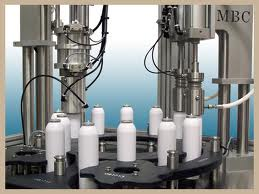
Start your evaluation by touring potential suppliers’ facilities. Modern BOV filling requires sophisticated equipment that maintains sterile conditions and precise fill weights. Look for automated filling lines with real-time monitoring systems, not manual processes prone to variability.
Capacity assessment goes beyond raw numbers. A supplier claiming 1 million units monthly means little if they’re already at 80% capacity with existing clients. Ask about dedicated production windows, scheduling flexibility, and their ability to handle rush orders when market opportunities arise.
Equipment maintenance protocols reveal operational maturity. Suppliers with documented preventive maintenance schedules, backup equipment, and rapid troubleshooting capabilities minimize your production risk. At Signature Filling Company, our preventive maintenance program ensures 99.5% uptime, protecting your delivery schedules even during equipment servicing.
Regulatory Compliance and Certifications
FDA registration is non-negotiable for products touching consumers. But registration alone isn’t sufficient—review their inspection history and any warning letters. The best suppliers view regulatory compliance as competitive advantage, not burdensome obligation.
ISO certifications, particularly ISO 9001 for quality management and ISO 22716 for cosmetics, demonstrate systematic approaches to consistency and improvement. However, certificates on walls matter less than evidence of living quality systems.
Product-specific compliance varies significantly. Pharmaceutical products require validated processes and extensive documentation. Food products need HACCP plans and allergen controls. Cosmetic suppliers must understand international requirements if you’re planning global distribution.
Signature Filling Company maintains FDA registration and multiple quality certifications, but more importantly, we undergo regular third-party audits to verify our systems remain current and effective.
Technical Expertise and Support
Superior suppliers offer more than filling services—they become product development partners. Look for suppliers who can optimize your product for BOV delivery, suggest valve improvements, or troubleshoot compatibility issues.
Package optimization often reveals supplier sophistication. Can they recommend valve configurations that improve consumer experience? Do they understand how different actuator designs affect spray patterns? These details significantly impact market success.
R&D capabilities separate good suppliers from great ones. The best suppliers invest in new technologies, test innovative materials, and help clients stay ahead of market trends. Our technical team regularly collaborates with clients on formulation improvements and new product development, often identifying opportunities they hadn’t considered.
Supply Chain Reliability
Geographic location affects logistics costs and delivery reliability. Suppliers located near major transportation hubs typically offer better shipping options and lower freight costs. But don’t overlook regional suppliers who might provide superior service and attention.
Raw material sourcing strategies impact your supply security. Suppliers with diversified sourcing, safety stock programs, and strong vendor relationships better weather market disruptions.
Financial stability protects your investment in the relationship. Suppliers struggling financially may cut corners on quality, delay deliveries, or unexpectedly exit the business, leaving you scrambling for alternatives.
Key Questions to Ask Potential BOV Suppliers
Operational Qualification Questions
“What’s your current capacity utilization and typical lead times?” This reveals whether they can accommodate your volume and timing needs without overstretching resources.
“Describe your quality control process from incoming materials to finished goods.” Look for specific procedures, testing protocols, and documentation practices, not vague generalities.
“How do you handle production scheduling and communicate status updates?” Understanding their process helps you plan inventory and manage customer expectations.
“What backup systems do you have for equipment failures or supply disruptions?” Their contingency planning reveals operational maturity and risk management capabilities.
At Signature Filling Company, we answer these questions with specific metrics: current 65% capacity utilization allowing growth flexibility, 14-day standard lead times with expedited options, documented quality procedures covering 47 checkpoints, and redundant equipment ensuring continued production during maintenance.
Quality and Compliance Inquiries
“Can you provide your latest regulatory inspection reports?” Transparent suppliers readily share this information; evasive responses raise red flags.
“What quality incidents have you experienced in the past year, and how were they resolved?” Every supplier faces challenges—their response demonstrates problem-solving capabilities and continuous improvement commitment.
“How do you validate new products and processes?” Understanding their validation approach helps you assess timeline and documentation quality for your project.
Partnership and Service Assessment
“Who will be my primary contact, and what’s their background?” Account management quality significantly impacts your experience and problem resolution speed.
“What technical support do you provide during product development?” Suppliers offering formulation assistance, compatibility testing, and optimization guidance add substantial value.
“How do you handle capacity expansion as our business grows?” Their growth planning reveals long-term partnership potential versus short-term transaction focus.
Financial and Commercial Considerations
“How is your pricing structured, and what factors influence cost changes?” Transparent pricing models help you budget accurately and avoid surprise increases.
“What are your standard payment terms and contract requirements?” Understanding commercial terms upfront prevents later disputes and cash flow issues.
“Can you provide client references for similar products and volumes?” Speaking with current clients reveals real-world performance versus marketing promises.
Red Flags: Warning Signs of Unreliable BOV Suppliers
Operational Warning Signs
Vague responses about capacity, quality procedures, or technical capabilities suggest inexperience or attempts to hide operational weaknesses. Legitimate suppliers provide specific, detailed answers about their processes and capabilities.
Facility tours revealing outdated equipment, poor housekeeping, or disorganized operations predict future problems. Modern BOV filling requires clean, controlled environments with well-maintained equipment.
High employee turnover, especially in technical or quality roles, indicates management problems that affect consistency and institutional knowledge. Our team at Signature Filling Company averages 8+ years tenure, ensuring deep product knowledge and relationship continuity.
Communication Red Flags
Poor responsiveness during evaluation predicts worse communication during production. Suppliers who take days to return calls or provide incomplete information will frustrate you throughout the relationship.
Pressure tactics or unrealistic promises—like guaranteed delivery schedules before understanding your requirements—suggest desperation or dishonesty.
Unwillingness to provide documentation, references, or facility tours indicates they’re hiding problems or lack legitimate credentials.
Financial and Business Concerns
Unusual payment terms, like large upfront deposits or cash-only requirements, often signal financial distress that threatens supply continuity.
Reluctance to discuss contract terms or provide written agreements suggests they prefer flexibility to change terms without notice.
History of client complaints, supply disruptions, or regulatory issues reveals patterns that likely continue under pressure.

Building Successful Long-term Partnerships with BOV Suppliers
Establishing Clear Expectations
The best supplier relationships start with documented expectations covering quality standards, delivery schedules, communication protocols, and performance metrics. This clarity prevents misunderstandings and provides objective evaluation criteria.
Regular review meetings—monthly for new relationships, quarterly for established ones—maintain alignment and address issues before they become problems. Use these sessions to discuss volume forecasts, quality trends, and improvement opportunities.
Volume forecasting helps suppliers plan capacity and raw material purchases while securing better pricing and delivery priority for your business. We work with clients to develop 12-month rolling forecasts that optimize both our production scheduling and their inventory planning.
Collaborative Growth Strategies
Superior suppliers view client success as their success. They proactively suggest product improvements, market expansion opportunities, and cost reduction strategies that benefit both parties.
Joint product development leverages their technical expertise while building deeper relationships. Suppliers invested in your product innovation become true partners rather than transaction-focused vendors.
Continuous improvement initiatives—like lean manufacturing projects or quality enhancement programs—demonstrate commitment to long-term value creation. Signature Filling Company’s continuous improvement program has helped clients reduce costs by an average of 12% over two-year partnerships.
Risk Management and Contingency Planning
Even excellent suppliers face unexpected challenges from equipment failures, raw material shortages, or natural disasters. Develop contingency plans covering alternative suppliers, emergency inventory, and communication protocols for crisis situations.
Backup supplier relationships provide insurance against primary supplier problems. Maintain qualified alternatives without creating competing loyalties or information security concerns.
Regular supplier audits—annually for critical suppliers—verify continued compliance, capability, and financial stability. Address issues proactively rather than reactively.
Industry Trends Affecting BOV Supplier Selection
Sustainability and Environmental Leadership
Environmental consciousness increasingly influences supplier selection as consumers and retailers demand sustainable packaging. Progressive BOV suppliers offer eco-friendly propellants, recyclable containers, and carbon footprint reduction programs.
Regulatory pressure continues mounting globally toward more environmentally responsible aerosol products. Suppliers staying ahead of these trends help you maintain market access and competitive positioning.
Some suppliers achieve sustainability certifications that support your own environmental initiatives and marketing claims. We’ve invested in sustainable propellant technologies and waste reduction programs to help clients meet their environmental goals.
Technology Advancement
Automation improvements enhance quality consistency while reducing costs. Modern suppliers invest in advanced filling equipment, real-time monitoring systems, and predictive maintenance technologies.
New barrier materials and valve technologies expand product compatibility and performance possibilities. Suppliers with R&D capabilities help you leverage these innovations for competitive advantage.
Digital integration streamlines ordering, tracking, and communication processes. Forward-thinking suppliers offer online portals, automated reporting, and integrated supply chain visibility.
Market Demand Evolution
Clean label trends affect propellant selection and formulation compatibility. Suppliers understanding these market shifts help you develop products meeting evolving consumer expectations.
Customization demands require suppliers with flexible capabilities and shorter lead times. Mass customization capabilities become competitive differentiators in many markets.
Speed-to-market pressures favor suppliers with streamlined development processes, rapid prototyping capabilities, and parallel processing skills.
Why Signature Filling Company Stands Out Among BOV Suppliers
After more than two decades in contract manufacturing, Signature Filling Company has built a reputation for excellence that goes beyond basic filling services. Our approach combines state-of-the-art equipment with experienced personnel and genuine partnership commitment.
Technical Excellence: Our FDA-registered facility features advanced BOV filling lines with real-time monitoring and quality control systems. We maintain multiple certifications and undergo regular third-party audits to ensure compliance with the highest industry standards.
Partnership Approach: Unlike suppliers who view clients as transaction opportunities, we invest in long-term relationships. Our dedicated account managers average 8+ years experience and provide proactive communication throughout every project phase.
Capacity and Flexibility: With current 65% capacity utilization, we can accommodate new clients while maintaining existing service levels. Our flexible scheduling accommodates seasonal demand fluctuations and rush orders when market opportunities arise.
Quality Commitment: Our comprehensive quality system includes 47 documented checkpoints from raw material receipt to finished goods shipment. This systematic approach ensures consistency across every production run.
Industry Experience: We’ve successfully launched products across pharmaceutical, cosmetic, food, and industrial categories. This diverse experience helps us anticipate challenges and optimize solutions for each unique application.
Taking Action: Your Next Steps
Selecting bag-on-valve suppliers requires systematic evaluation balancing operational capabilities, quality systems, technical expertise, and partnership potential. Don’t rush this critical decision—the wrong choice costs far more than thorough evaluation time.
Start by defining your requirements clearly: production volumes, regulatory needs, technical specifications, and service expectations. Use this foundation to evaluate potential suppliers consistently and objectively.
Visit finalist facilities, speak with their clients, and verify their claims through documentation review. Trust your instincts about communication quality and cultural fit—these predict long-term relationship success.
Remember that the lowest price rarely equals the best value. Factor in quality consistency, delivery reliability, technical support, and partnership potential when making your final decision.
The right bag-on-valve supplier becomes an extension of your team, supporting product development, market expansion, and operational excellence. Take time to choose wisely—your products, customers, and business growth depend on this critical partnership.
If you’re ready to explore how Signature Filling Company can support your BOV manufacturing needs, we invite you to contact our team for a consultation. Our experienced professionals will help you evaluate your requirements, discuss technical specifications, and develop a partnership strategy that supports your business goals.
