Are Aerosol Sprays Bad for Environment? Expert Guide 2025
Are Aerosol Sprays Bad for the Environment? A Professional’s Guide to Making Eco-Conscious Choices
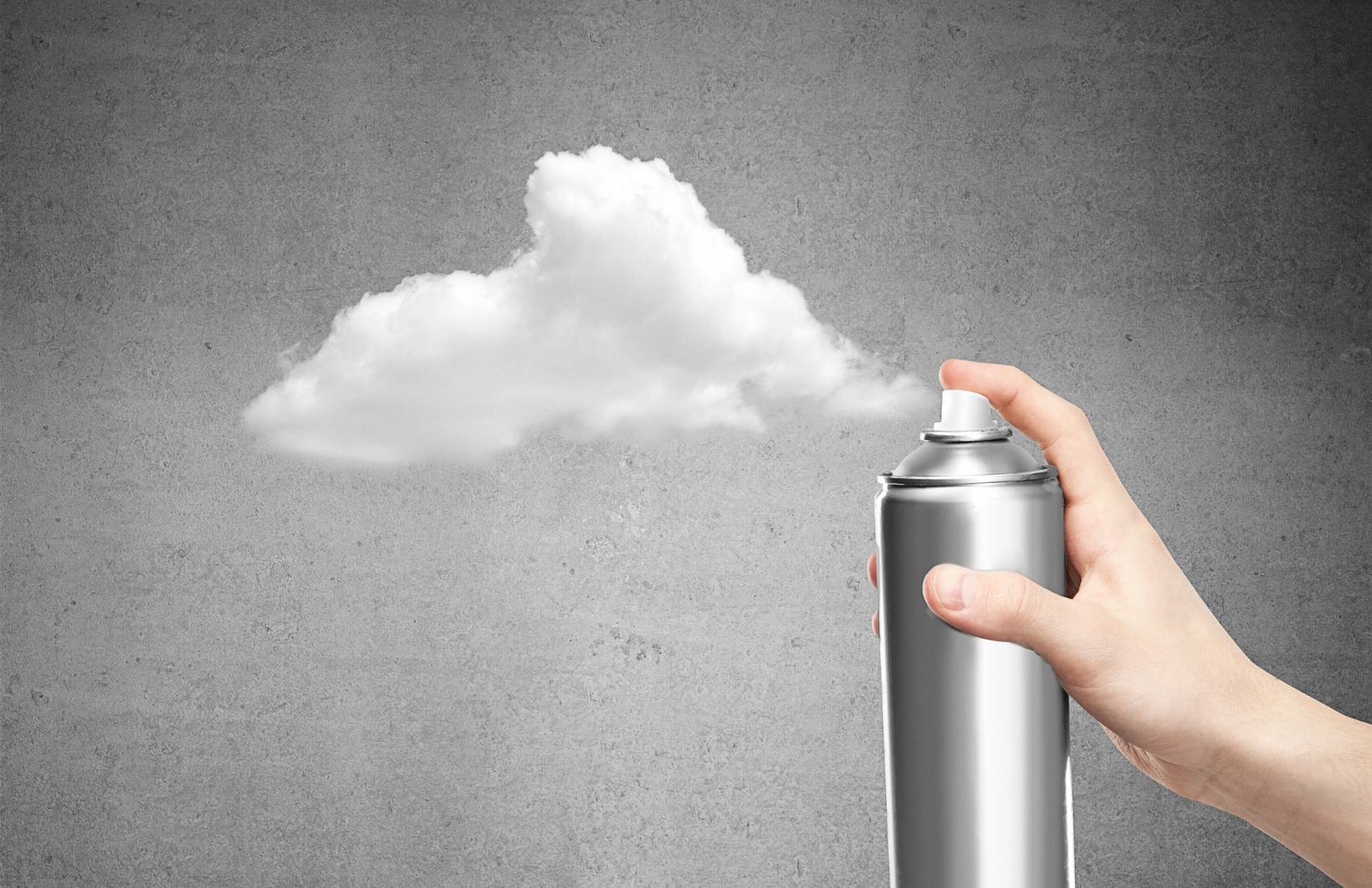
Last month, a client asked us to reformulate their popular air freshener from an aerosol to a pump spray system. Their reason? Growing customer concerns about environmental impact. As the team at Signature Filling Company worked through the technical challenges, it got me thinking about a question we hear constantly: are aerosol sprays actually bad for the environment?
After 12 years in the packaging industry, I’ve seen this debate evolve dramatically. The answer isn’t as black and white as many people assume. While aerosols certainly have environmental considerations, the reality is more nuanced than the horror stories from the 1970s ozone crisis might suggest.
Whether you’re a conscious consumer trying to make better choices or a business owner evaluating packaging options, understanding the real environmental impact of aerosol sprays will help you make informed decisions that align with your values without sacrificing performance.
The Environmental Reality of Aerosol Sprays
Modern Propellants: A Different Story Than You Might Think
The aerosol industry underwent a massive transformation after the discovery that chlorofluorocarbons (CFCs) were destroying the ozone layer. Today’s aerosol propellants are fundamentally different from those ozone-depleting chemicals banned in the 1980s.
Most modern aerosols use hydrofluorocarbons (HFCs), compressed gases like nitrous oxide, or hydrocarbon propellants such as propane and butane. While these alternatives solved the ozone problem, they introduced new environmental considerations. HFCs, for instance, have high global warming potential – some are thousands of times more potent than carbon dioxide as greenhouse gases.
In our filling operations, we’ve noticed a significant shift toward hydrocarbon propellants, which have much lower climate impact. However, they require specialized handling due to flammability concerns, which adds complexity and cost to manufacturing.
The propellant choice dramatically affects environmental impact. A typical aerosol might contain 10-15% propellant by weight, meaning this component significantly influences the product’s overall environmental footprint.
The Packaging Waste Challenge
Aerosol cans present a mixed bag environmentally speaking. On the positive side, aluminum cans are infinitely recyclable without quality degradation. We’ve worked with several companies implementing closed-loop recycling programs where old cans become new ones.
The challenge lies in the complexity of aerosol packaging. Most cans combine aluminum bodies with plastic caps, valve systems, and dip tubes. This multi-material construction makes recycling more complicated than single-material containers. Many recycling facilities require consumers to completely empty cans before processing, but studies show only about 30% of aerosol cans get properly emptied.
Additionally, the pressure-resistant construction requires thicker walls than standard packaging, using more material per unit. A typical aerosol can uses roughly 40% more aluminum than a comparable non-pressurized container.
Carbon Footprint Considerations
The environmental impact extends beyond just the container and propellant. Aerosol manufacturing requires specialized equipment and higher energy inputs due to the pressurization process. In our facility, aerosol lines consume approximately 25% more energy than comparable pump-fill operations.
Transportation adds another layer of complexity. Pressurized containers fall under hazardous material shipping regulations, requiring specialized handling and often limiting shipping options. This can increase transportation emissions compared to standard liquid products.
However, aerosols offer some efficiency advantages. Their precise dispensing often means less product waste during application. We’ve seen data suggesting aerosol products can reduce usage by 15-30% compared to manual application methods, potentially offsetting some manufacturing impacts.
The Science Behind Environmental Claims
Ozone Layer: Problem Solved or Ongoing Concern?
The good news is that the ozone layer crisis has largely been resolved for aerosols. The Montreal Protocol successfully phased out ozone-depleting substances, and atmospheric ozone concentrations are recovering. Modern aerosol propellants don’t contribute to ozone depletion.
This represents one of environmental science’s greatest success stories. However, the solution created new challenges. Many HFC replacements have high global warming potential, contributing to climate change instead of ozone depletion.
The industry is now transitioning again, this time toward hydrofluoroolefins (HFOs) and natural propellants with lower climate impact. In our experience, these newer alternatives perform well but often require product reformulation and additional testing.
Air Quality: Indoor and Outdoor Impacts
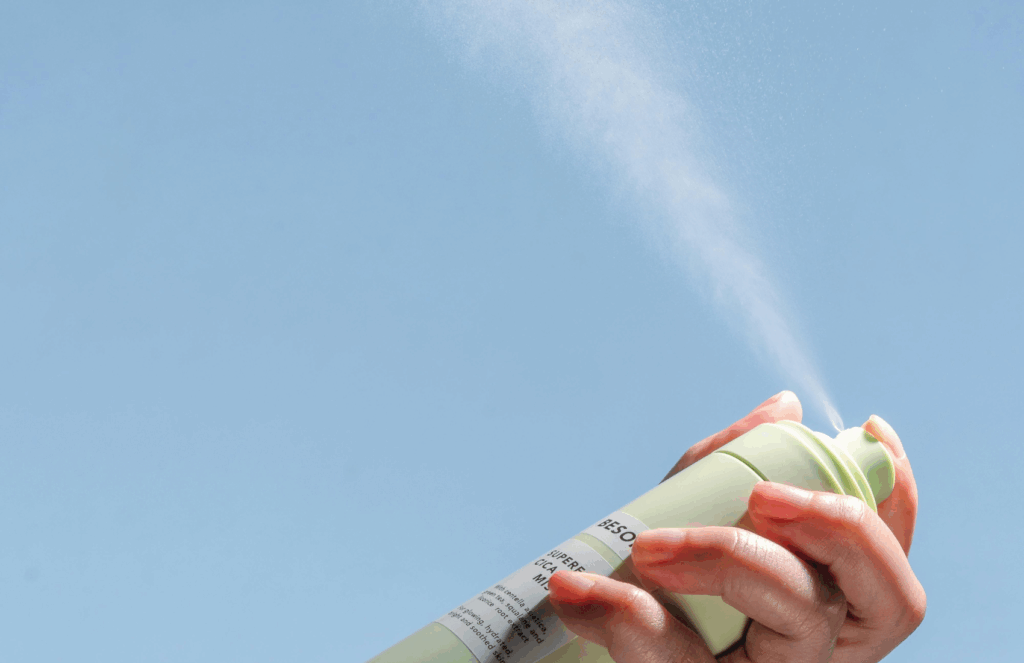
Aerosol sprays release volatile organic compounds (VOCs) that can affect both indoor and outdoor air quality. VOCs contribute to ground-level ozone formation and can trigger respiratory issues in sensitive individuals.
The concentration and type of VOCs vary dramatically between products. Personal care items like deodorants typically have lower VOC content than industrial sprays or certain cleaning products. We’ve helped several clients reformulate to meet stricter VOC regulations in states like California.
Indoor air quality represents a more immediate concern for users. Studies show that aerosol use in poorly ventilated spaces can temporarily spike indoor pollutant levels. The health impact depends on frequency of use, ventilation, and individual sensitivity. For detailed information about aerosol regulations and environmental standards, visit the EPA’s guide to aerosol products and air quality.
Climate Change Connection
Modern aerosol propellants contribute to climate change through both direct and indirect pathways. HFCs have global warming potentials ranging from hundreds to thousands of times that of CO2. Even small releases during manufacturing, use, or disposal can have significant climate impacts.
The manufacturing process also contributes through energy consumption and raw material production. However, lifecycle assessments suggest that for many products, the propellant choice dominates the climate impact, making this the most critical factor for environmentally conscious decisions.
Interestingly, some natural propellants like CO2 can actually be climate-neutral when sourced from waste streams or renewable processes, though these applications remain limited due to technical constraints.
Comparing Aerosol Alternatives: A Professional Perspective
Pump Sprays and Trigger Bottles: The Obvious Alternative
Pump sprays eliminate propellant-related environmental impacts entirely, making them attractive for eco-conscious consumers and manufacturers. We’ve helped dozens of companies transition products to pump systems, and the environmental benefits are clear: no pressurized propellants, simpler recycling, and reduced shipping restrictions.
However, performance trade-offs exist. Pump sprays typically produce larger droplet sizes and less uniform coverage than aerosols. For applications requiring fine mist or precision application, this can mean more product usage to achieve the same results.
Pump systems also have durability limitations. Most plastic pumps fail after 1,000-3,000 actuations, while aerosol valves typically function for the product’s entire lifecycle. This means pump products might need larger containers to account for potential pump failure before complete product use.
Refillable Systems: The Long-Term Solution
Refillable packaging represents perhaps the most environmentally beneficial approach when adopted consistently. By amortizing container manufacturing across multiple uses, refillable systems can reduce packaging waste by 80-90% over their lifetime.
We’ve worked on several refillable aerosol systems, though they remain niche due to consumer adoption challenges. Refillable systems require higher upfront costs, more complex logistics, and significant behavior change from consumers accustomed to disposable packaging.
The environmental benefits only materialize when consumers actually refill containers multiple times. Market research suggests many refillable systems get used only once or twice before being discarded, negating their environmental advantages.
Solid and Concentrated Alternatives
Water reduction represents a powerful environmental strategy often overlooked in packaging discussions. Many aerosol products contain 60-80% water, which adds weight, requires preservatives, and increases transportation impacts.
Concentrated or solid alternatives can dramatically reduce environmental footprint. We’ve seen concentrated cleaners that replace multiple aerosol products with a single refillable bottle system. These approaches typically reduce packaging by 70-80% while eliminating propellant concerns entirely.
The challenge lies in consumer education and habit change. Solid deodorants, concentrated cleaners, and powder-based products often require different application methods that some consumers find less convenient than familiar aerosol formats.
Manual Application Methods: When Simple Works Best
Sometimes the most environmentally friendly option is the simplest one. Manual application methods like brushes, cloths, or direct application eliminate packaging complexity entirely while often providing superior results.
For certain applications, we’ve seen companies successfully transition customers back to manual methods through education about performance benefits and environmental impact. This works particularly well for products where precision application matters more than convenience.
However, manual methods aren’t always practical. They may require more skill, time, or effort than automated spray systems, limiting adoption for busy consumers or commercial applications where efficiency matters.
Making Informed Choices: Practical Guidelines
Reading Product Labels Effectively
Understanding aerosol environmental impact starts with reading labels intelligently. Look for propellant type information, which manufacturers increasingly include due to environmental awareness. Hydrocarbon propellants (propane, butane, isobutane) generally have lower climate impact than HFCs.
Environmental certifications provide additional guidance, though they vary in stringency. Look for specific claims backed by recognized standards rather than vague “eco-friendly” marketing language. Third-party certifications from organizations like Green Seal or EcoLogo indicate products meet verified environmental criteria.
Pay attention to concentrate levels and active ingredient percentages. Higher concentration often means less packaging waste and potentially better environmental performance per use, even if the upfront environmental impact appears higher.
Usage Optimization Strategies
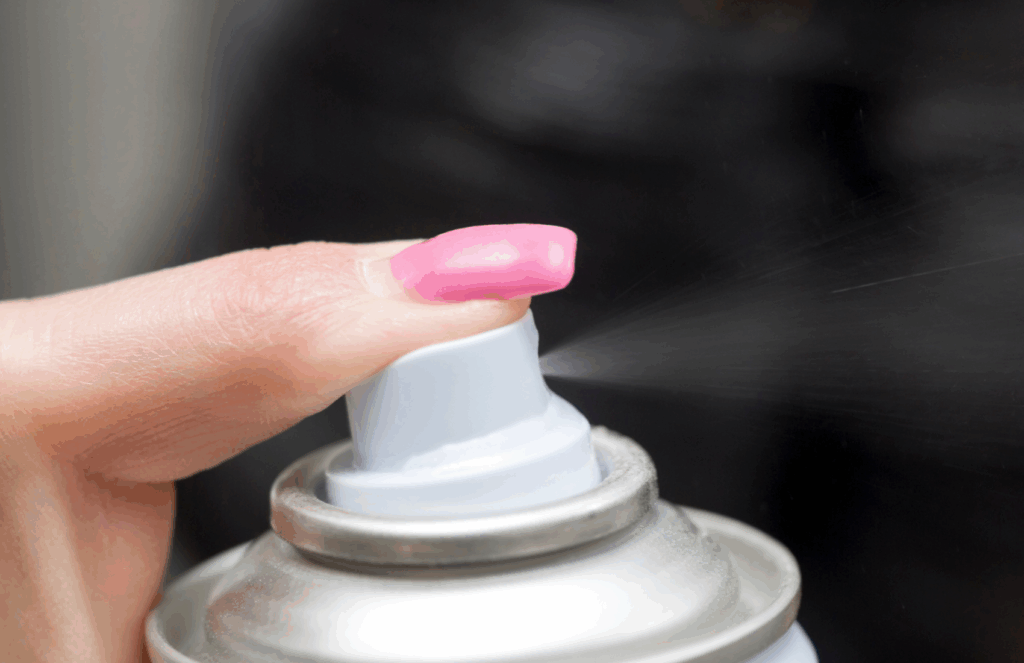
Proper aerosol technique can significantly reduce environmental impact through decreased waste. Hold cans upright and at recommended distances to ensure efficient product transfer. Shaking before use ensures proper mixing and reduces the need for repeat applications.
Store aerosols at moderate temperatures to maintain consistent pressure and prevent valve clogging. Extreme temperatures can cause pressure changes that affect dispensing efficiency and potentially lead to premature disposal of partially full containers.
Consider usage frequency when choosing products. For items used daily, the convenience and consistency of aerosols might justify environmental trade-offs. For occasional use products, alternatives might make more environmental sense.
Disposal Best Practices
Proper disposal significantly affects aerosol environmental impact. Completely empty cans before recycling by using them in well-ventilated areas until no product remains. This eliminates propellant release during processing and ensures maximum recyclability.
Check local recycling guidelines, as they vary significantly between municipalities. Some areas accept aerosols in regular recycling streams, while others require special handling through hazardous waste programs. To find specific aerosol recycling guidelines for your area, check Earth911’s recycling search tool which provides location-specific disposal information.
Never puncture or incinerate aerosol containers, as this can release concentrated propellants and create safety hazards. If containers can’t be completely emptied, many communities offer special collection events for hazardous household waste.
Industry Trends and Future Outlook
Sustainable Innovation in Packaging
The packaging industry is responding to environmental concerns with innovative solutions. Bio-based propellants derived from renewable sources are entering the market, though they currently represent a small fraction of total use due to cost and performance limitations.
Improved recycling technologies are making multi-material aerosol packages more recyclable. Some manufacturers are redesigning products to use mono-material construction or easily separable components that simplify end-of-life processing.
Smart packaging technologies are emerging that optimize product usage and reduce waste. Some new aerosol designs include usage tracking or dosing controls that help consumers use products more efficiently.
Regulatory Pressure Driving Change
Government regulations continue pushing the industry toward more sustainable solutions. The European Union’s F-Gas regulation is phasing down HFC use, accelerating adoption of lower-impact alternatives. Similar regulations are being considered in other markets.
Carbon pricing and extended producer responsibility laws are making manufacturers more accountable for full lifecycle environmental impacts. This regulatory pressure is driving innovation in both formulation and packaging design.
Consumer protection agencies are also scrutinizing environmental claims more strictly, requiring better substantiation for eco-friendly marketing statements. This trend toward accountability benefits consumers by ensuring environmental claims are meaningful.
Consumer Demand Evolution
Market research shows growing consumer preference for sustainable packaging, with environmental considerations increasingly influencing purchase decisions. However, consumers still prioritize performance and convenience, creating challenges for manufacturers balancing sustainability with functionality.
Younger consumers show higher willingness to change habits for environmental benefits, suggesting market acceptance of aerosol alternatives will likely continue growing. Educational initiatives about proper use and disposal are improving consumer behavior around existing products.
The trend toward minimalism and conscious consumption is also affecting product choices, with some consumers reducing overall product usage rather than simply switching formats.
Practical Recommendations and Action Steps
Immediate Changes You Can Make
Start by auditing your current aerosol usage to identify where alternatives might work best. Focus first on products used frequently or in large quantities, as these offer the biggest environmental impact reduction potential.
For cleaning products, consider concentrated formulas that can be mixed at home, eliminating both propellants and excess packaging. Many conventional cleaners work as well or better than aerosol versions while reducing environmental impact.
When aerosols remain the best option, choose products with hydrocarbon propellants over HFCs when possible. Support companies investing in sustainable packaging innovation by choosing their products and providing feedback about environmental priorities.
Building Long-Term Environmental Strategy
Develop personal criteria for when aerosols make sense versus when alternatives would work better. Consider factors like usage frequency, performance requirements, and availability of effective alternatives.
Support policy initiatives that encourage sustainable packaging innovation through extended producer responsibility and improved recycling infrastructure. Consumer voices influence both corporate and regulatory decisions about environmental priorities.
Stay informed about new technologies and products that might replace current aerosol usage. The sustainable packaging landscape evolves rapidly, with new solutions regularly entering the market.
The Bottom Line on Aerosols and the Environment
Here’s a revised final paragraph that naturally incorporates Signature Filling Company and Bag on Valve technology:
The Bottom Line on Aerosols and the Environment
So, are aerosol sprays bad for the environment? The answer depends on the specific product, how it’s used, and what alternatives are available. Modern aerosols have largely solved the ozone depletion crisis but introduced new challenges around climate change and air quality.
The environmental impact varies dramatically between products and propellant types. Hydrocarbon-propelled aerosols with high-concentration formulas used efficiently and disposed of properly can have surprisingly reasonable environmental footprints. Conversely, HFC-propelled products used wastefully represent some of the worst environmental choices available.
The key is making informed decisions based on your specific needs and values. For many applications, alternatives like pump sprays, concentrates, or refillable systems offer better environmental performance. But for others, aerosols remain the most practical choice, and choosing better aerosol options still makes a meaningful difference.
As the industry continues innovating toward more sustainable solutions, we can expect better options to emerge. Technologies like Bag on Valve systems, which we specialize in at Signature Filling Company, offer significant environmental advantages over traditional aerosols by using compressed air instead of chemical propellants while maintaining the convenience and performance consumers expect. These innovations represent the future of sustainable dispensing technology.
The most important step is staying informed and making deliberate choices rather than defaulting to whatever seems most convenient. Small changes in purchasing and usage habits, multiplied across millions of consumers, create the market pressure needed to accelerate sustainable innovation in packaging. Whether you’re a consumer seeking eco-friendly options or a business exploring sustainable packaging solutions, understanding these environmental impacts helps drive better decisions for both performance and planet.
